
Call: 08045804775
 Send Inquiry
 Send Inquiry
Clamp Forceps (Hemostatic - Locking Forceps)
Clamp Forceps (Hemostatic - Locking Forceps) Specification
- Set Contains
- Individual piece or as part of a surgical set
- Weight
- Approx. 35-45 g (depending on length)
- Shelf Life
- 5 Years
- Usage & Applications
- Hemostasis, clamping blood vessels, surgical procedures
- Size
- Multiple (commonly 14 cm/16 cm/18 cm)
- Storage Instructions
- Store in a dry, clean place
- Sterile
- Available, optionally pre-sterilized
- Disposable Type
- Reusable
- Material
- Stainless Steel
- Style
- Locking Clamp
- Cuff
- No
- Disposable
- No
- Recyclable
- Yes
- Sterilized
- Yes (on request)
- Waterproof
- Yes
- Shape
- Straight / Curved (depending on model)
- Length
- 14 cm (standard) / Other sizes available
- Width
- Standard
- Color
- Silver / Metallic
- Grade
- Surgical / Medical Grade
- Lock Mechanism
- Ratchet
- Finish
- Matte/Polished
- Autoclavable
- Yes
- Handle Type
- Finger ring
- Jaw Type
- Smooth/Crimped
- Resistant to Corrosion
- Yes
- Tip Type
- Serrated
- Packaging Type
- Polybags/Blister Pack/Box
About Clamp Forceps (Hemostatic - Locking Forceps)
Supported by our well-experienced professionals and ultra-modern protection unit, we are prudently indulged in presenting the finest quality Clamp Forceps (Hemostatic - Locking Forceps). Widely in all hospitals and nursing homes, these types of forceps are used by surgeons to security hold tissue, and also help control the flow of blood or fluid. The purposed clamp forceps have small size, and lightweight, for which, can easily be used. In addition, these products are rust proof, smooth finish, and come in different sizes.
Precision and Durability for Surgical Excellence
These clamp forceps are engineered for precise hemostatic control, featuring serrated tips and a robust stainless steel construction. The ratchet lock mechanism ensures secure clamping, while the ergonomic finger ring handles provide comfortable and stable grip. With corrosion resistance and autoclavable properties, these forceps are reliable tools for repeated use in demanding medical environments.
Versatile Usage Across Medical Procedures
Suited for a variety of surgical applications, these forceps efficiently clamp blood vessels, control bleeding, and handle tissues during operations. Available in different lengths and jaw types, they accommodate specific procedural needs and surgeon preferences. Their waterproof and recyclable design adds to their practicality in any clinic or hospital setting.
FAQs of Clamp Forceps (Hemostatic - Locking Forceps):
Q: How do clamp forceps assist during surgical procedures?
A: Clamp forceps provide secure hemostasis by clamping blood vessels, controlling bleeding, and stabilizing tissues. The ratchet lock mechanism ensures consistent pressure, making them indispensable for various surgical operations.Q: What material are clamp forceps made from and why is it beneficial?
A: These forceps are made from surgical-grade stainless steel, offering exceptional durability, resistance to corrosion, and compatibility with sterilization methods like autoclaving, which is essential for maintaining hygiene and safety in medical environments.Q: When should I choose smooth or crimped jaws for clamp forceps?
A: Smooth jaws are best for gentle tissue handling and delicate procedures, while crimped jaws provide a firmer grip, suitable for securing vessels or tissues that require additional hold, depending on surgical requirements.Q: Where should clamp forceps be stored to maintain their quality?
A: Clamp forceps should be stored in a clean, dry place to preserve their integrity and prevent corrosion. Secure containers such as polybags, blister packs, or boxes help protect the instruments when not in use.Q: What is the process for sterilizing these forceps before use?
A: These forceps are autoclavable and can be sterilized using standard steam autoclave procedures. Pre-sterilized versions are available, but if not, ensure thorough cleaning and proper sterilization before surgical use.Q: How does the locking ratchet mechanism benefit surgical efficiency?
A: The ratchet lock mechanism allows the forceps to remain securely clamped without manual pressure, freeing the surgeons hands and maintaining stable control over blood vessels or tissues throughout the procedure.Q: Are clamp forceps reusable, and how does recycling contribute to sustainability?
A: Yes, clamp forceps are reusable and designed for long-term use. Made from stainless steel, they are recyclable at the end of their service life, supporting sustainable practices in medical facilities.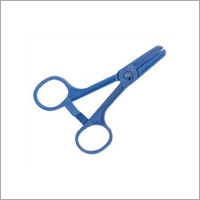
Tell us about your requirement

Price:
Quantity
Select Unit
- 50
- 100
- 200
- 250
- 500
- 1000+
Additional detail
Mobile number
Email

More Products in Surgical Disposable Instruments Category
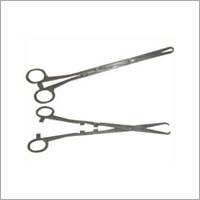
Pozzi Forcep (Tenaculum - Grasping Forcep)
Waterproof : Yes
Sterilized : Yes
Color : Black
Recyclable : No
Disposable : No
Grade : Medical
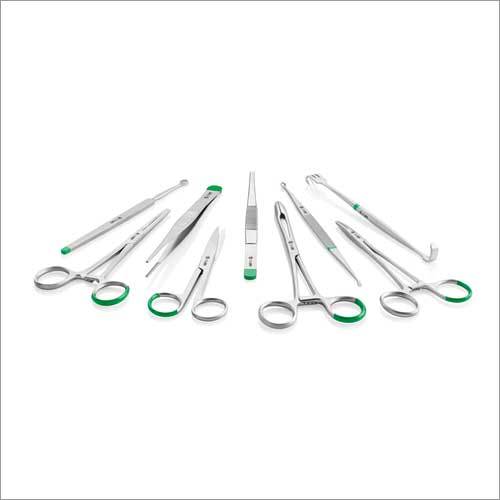
Disposable Surgical Instruments
Waterproof : Yes
Sterilized : Yes
Color : Sliver
Recyclable : Yes
Disposable : Yes
Grade : Medical

Tweezers Serrated (Dressing Forceps)
Waterproof : Yes
Sterilized : Yes
Color : Blue
Recyclable : Yes
Disposable : Yes
Grade : Medical

Contact Details
M/S WONDER PRODUCTS CO
GST : 27AOCPM8491H1ZJ
- Lokhandwala Township, Autumn Grove 5th Floor, 509. Next To LFS. Akurli Road, Kandivali East,Mumbai - 400101, Maharashtra, India
- Phone :08045804775
 Send Inquiry
Developed and Managed by Infocom Network Private Limited.
