
Call: 08045804775
 Send Inquiry
 Send Inquiry
Biopsy Needle
Biopsy Needle Specification
- Equipment Type
- Biopsy Needle
- Use Type
- Medical Use
- Needle Material
- Medical Grade Stainless Steel
- Grade
- Surgical Grade
- Nozzle
- Sharp Bevel Tip
- Usage
- For Tissue Sampling / Biopsy Procedures
- Sterilized
- Yes
- Sterilization Mode
- EO (Ethylene Oxide) Sterilization
- Disposable
- Yes
- Recyclable
- No
- Size
- 16G, 18G, 20G (Various Options Available)
- Color Coding
- ISO Standard for Easy Identification
- Shelf Life
- 5 Years from Date of Manufacture
- CE Marked
- Yes
- Hub Material
- Polypropylene (Medical Grade)
- Needle Length
- 10 cm to 25 cm (Varies by Model)
- Safety Mechanism
- Available in Select Models
- Packaging
- Individually Packed, Blister Packaging
- Latex Free
- Yes
- Ultrasound Compatibility
- Yes (Echogenic Markings)
About Biopsy Needle
Biopsy Needle that brought forth by us is most commonly utilized through the introducer needle for aspiration biopsy. This kind of made of the best in grade stainless steel and plastic with approved technology in complete line with medical industry standards. Widely used in all small, medium and large hospitals, this proposed needle has pointed end, hollow structure, sleek texture and ideal diameter, due to which, can easily be used. The Biopsy Needle can be availed in required quantity with protective packaging.
Superior Material and Safety Features
Manufactured with surgical grade stainless steel, this biopsy needle guarantees both durability and reliability. The polypropylene hub is medical-grade to ensure patient safety during procedures, and the addition of a safety mechanism in select models further enhances operator protection.
Convenient Identification and Usage
The needle utilizes ISO standard color coding for immediate size recognition, making selection straightforward during time-sensitive procedures. Multiple sizes and lengths allow clinicians to choose the most appropriate configuration for varied tissue sampling needs.
Sterility and Packaging
Every needle undergoes EO (Ethylene Oxide) sterilization and is individually blister packed to maintain sterility until use. The five-year shelf life, coupled with CE certification, ensures continued safety and efficacy for medical practitioners.
FAQs of Biopsy Needle:
Q: How do you select the appropriate size and length of the biopsy needle for a procedure?
A: Selection is based on tissue depth and target area, with needles available in 16G, 18G, and 20G sizes and lengths from 10 cm to 25 cm, allowing clinicians to choose the most suitable model for the patients needs.Q: What benefits does ultrasound compatibility with echogenic markings provide during biopsy procedures?
A: Ultrasound compatibility enables real-time needle visualization, while echogenic markings enhance clarity, facilitating accurate placement and minimizing the risk of sampling errors.Q: When should the biopsy needle be used, and for what types of tissue sampling?
A: This needle is intended for use in medical biopsy procedures, such as sampling tissues from organs including the liver, kidney, or breast, whenever a tissue diagnosis is required.Q: Where is this biopsy needle typically used within healthcare settings?
A: The needle is suitable for use in hospitals, specialty clinics, diagnostic centers, and outpatient facilities where tissue biopsies are routinely performed.Q: What is the process for disposing of the biopsy needle after use?
A: As it is disposable and non-recyclable, the needle should be discarded immediately after use following standard biohazard waste protocols to prevent contamination and comply with safety regulations.Q: How does the safety mechanism in select models improve user protection?
A: Certain models feature an integrated safety mechanism that reduces the risk of accidental needlestick injuries, significantly enhancing safety for healthcare professionals during procedures.Q: What advantages does polypropyelene medical-grade hub provide?
A: The medical-grade polypropylene hub offers robust structural integrity and chemical resistance, ensuring safe manipulation during biopsy procedures and reducing risk of hub failure.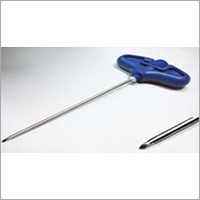
Tell us about your requirement

Price:
Quantity
Select Unit
- 50
- 100
- 200
- 250
- 500
- 1000+
Additional detail
Mobile number
Email


Contact Details
M/S WONDER PRODUCTS CO
GST : 27AOCPM8491H1ZJ
- Lokhandwala Township, Autumn Grove 5th Floor, 509. Next To LFS. Akurli Road, Kandivali East,Mumbai - 400101, Maharashtra, India
- Phone :08045804775
 Send Inquiry
Developed and Managed by Infocom Network Private Limited.
